

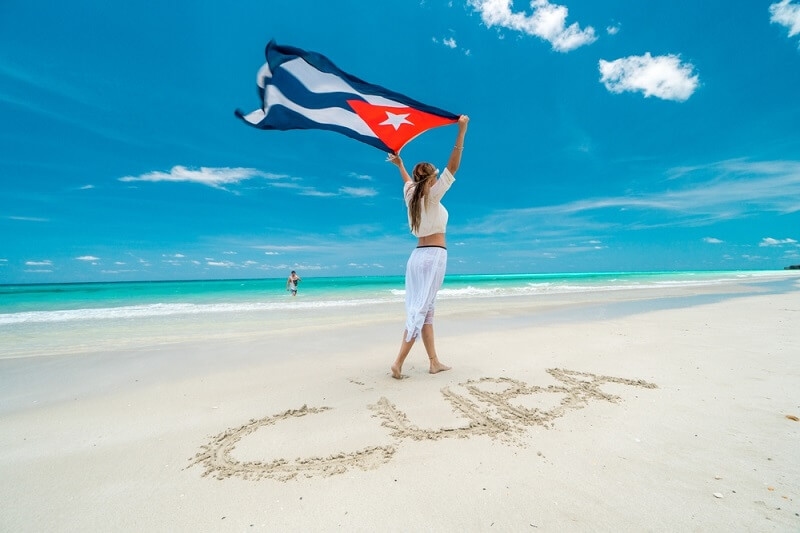
Cuba looks close on a map, but it feels like stepping into a different tempo. Music leaks from open windows. Neighbors talk on doorsteps as if time is flexible. For many first-timers, the charm is instant, and so is the confusion: what paperwork is needed, what money works, and what rules matter most? This guide stays practical, with planning steps, common mistakes, and a simple itinerary that keeps the trip smooth.
The smartest way to approach cuba travel is to decide what kind of trip it is before anyone clicks buy. City-and-culture travelers plan differently than beach-only travelers. A short trip needs fewer stops than a two-week wander. And U.S. travelers have an extra layer to consider, so they should start with the legal category and build the itinerary around that, not the other way around. Plan enough to reduce surprises, then leave room for spontaneity.
The search phrase can i us citizen travel to cuba is common for a reason. Under U.S. rules, pure tourism is not allowed, but travel can be authorized under specific categories, and many travelers use a general license category rather than applying for a specific one. The U.S. State Department explains that U.S. persons may travel if their trip fits one of the 12 authorized categories and complies with the conditions attached to that category.
That “fit” part matters. It means activities should align with the chosen category, and travelers should keep records. It sounds tedious. It is. But it helps travelers feel calm if they are ever asked to document what they did.
For most visitors, how to travel to cuba starts with standard travel documents: a valid passport and a visa or tourist card (often arranged through airlines or travel providers). Cuba also uses the D’Viajeros online traveler form, an official government system travelers complete before arrival.
Another key requirement is medical insurance valid in Cuba. Airline guidance and U.S. travel information note that health insurance is required for entry, and for some flights departing the United States it may be included in the ticket price as a fee.
Tip that saves headaches: print or save offline copies of confirmations, addresses, and the traveler form QR or receipt. Phones die. Wi Fi drops. Paper still works.
When people plan travel to cuba, money is the part that trips them up. Card acceptance is limited in many places, and U.S. issued cards can be unreliable due to restrictions. That means travelers should not treat ATMs as a rescue plan.
Bring a cash budget plus a buffer, split into two locations. Carry smaller bills for tips and taxis, and track spending daily so the trip does not turn into a guessing game. Casas particulares often prefer cash. Hotels can still require cash for rides and day trips.
Cuba can be wonderful, but it can be unpredictable. Recent reporting highlights that power outages and fuel constraints can affect daily life and some tourism services.
Pack like a calm realist: a power bank, a small flashlight or headlamp, and patience. Download offline maps and save key addresses in notes.
If the trip depends on one must-do tour, schedule it early in the stay. Keep drinking water and snacks on hand, and expect some lines. A little flexibility turns glitches into stories later too.
Also Check Out: How First-Time Flyers Can Navigate Airports Like Pros
The best travel destinations in cuba depend on what a traveler wants to feel. Havana is for architecture, museums, music, and street life. Viñales is for green valleys and slow mornings. Trinidad is for cobblestones, color, and an easy beach add-on. Varadero is a classic resort option when someone wants simple sun and a predictable setup.
If time is short, pick two places, not four. Long drives can eat a day, and the best moments often happen when people are not rushing.
Here is a realistic seven-day flow:
Days 1 to 3: Havana. Use one day for a walking tour, one for museums and live music, and one for a slower neighborhood day.
Days 4 to 5: Viñales. Do a countryside ride or hike, then rest. The quiet is part of the point.
Days 6 to 7: Trinidad. Explore town early, then take a beach afternoon or a short nature outing.
Many U.S. travelers choose the “Support for the Cuban People” category and plan activities that fit it, such as staying in private accommodations, eating at privately owned restaurants, and engaging with local entrepreneurs. The authorized travel framework is explained in U.S. government guidance, and travelers should review current rules before departure.
This is where the question can i us citizen travel to cuba becomes practical, not theoretical. The trip is doable, but travelers should align choices with their category and keep receipts and notes.
Within cities, taxis and arranged rides are common. Agree on the price before the ride starts. For intercity travel, pre-booking helps, especially when fuel supply can affect availability. If someone is planning travel to cuba during a busy period, booking longer transfers a day or two ahead reduces stress.
Avoid stacking big travel days back to back. Delays happen, and a flexible schedule handles them better.
Cuba’s best memories often come from ordinary moments: a café owner explaining the menu, a band setting up on a corner, a spontaneous conversation on a shaded bench. Travelers can support local businesses by choosing privately run spots when possible. Expect menu availability to change, because supply can shift quickly.
For a traveler wondering how to travel to cuba with respect, the answer is simple: be curious, tip fairly, ask before photographing people, and learn a few Spanish basics.
Read More: Phoenix First Friday Art Walk Visitor Tips & Highlights
If a traveler has extra time, add one region that matches the trip’s theme instead of cramming multiple stops. Beach lovers can extend with calm seaside days. History lovers can consider Santiago de Cuba, but it often needs extra transit time. Nature lovers can add hikes and water time near the countryside. Choosing a theme is how travel destinations in cubastop feeling like a checklist and start feeling like a story.
Start by confirming entry requirements, choosing lodging, and planning cash needs. U.S. travelers should also pick an authorized category and plan activities that match it.
Yes. Cuba requires medical insurance valid in Cuba, and some airlines include a fee for coverage in tickets departing the United States. Travelers should confirm what their ticket includes.
Two or three stops is usually enough for a first trip. It reduces transit time and leaves room for wandering, which is often the best part of cuba travel.
This content was created by AI